

When was God Born?
God who is Spirit is not born of a woman or created. This is mentioned by the Lord Jesus in John.
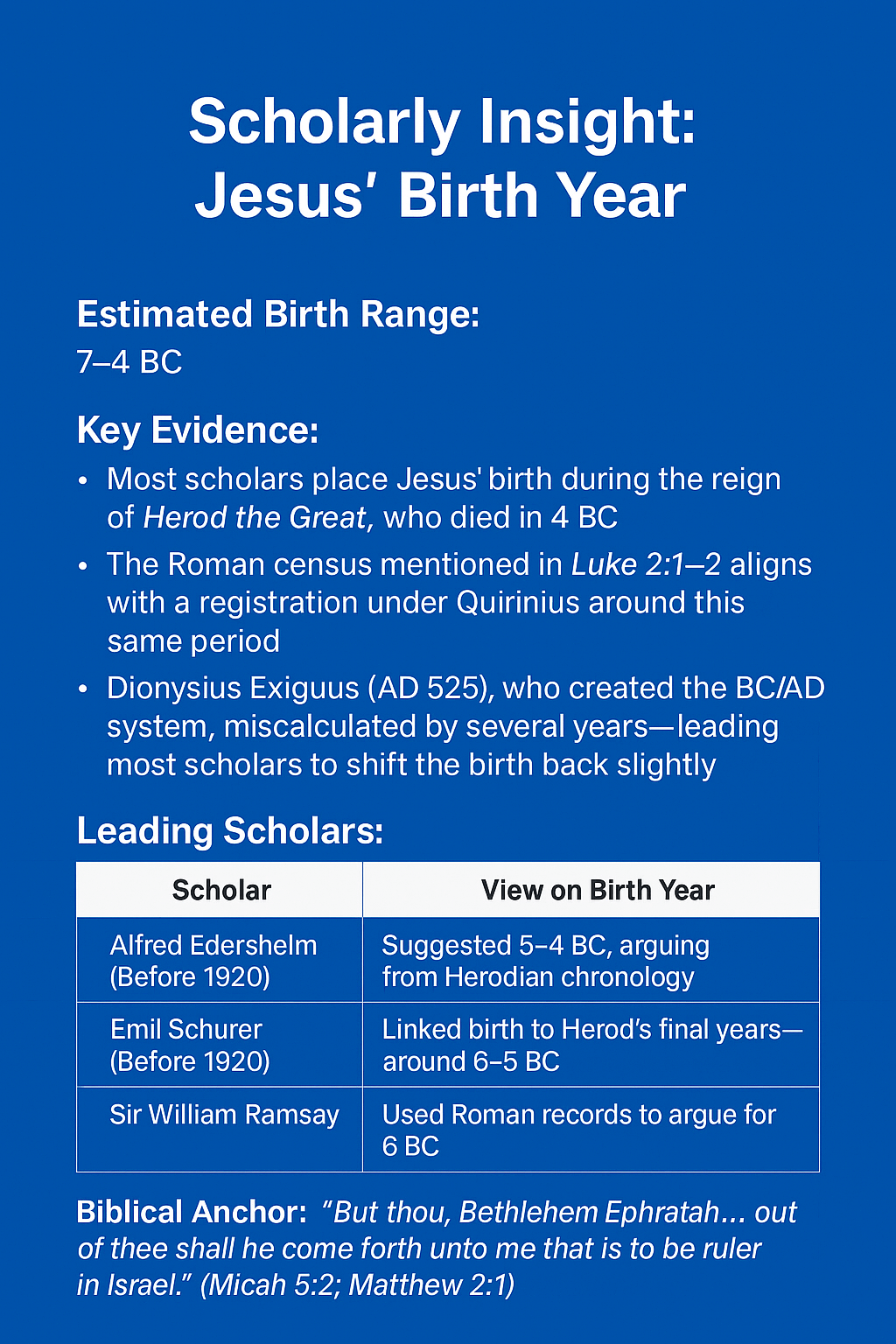
The Man, Christ Jesus was born of Mary around 6 BC to 4 BC by human estimates but that date is not conclusive.
In this light it's important to recognize that though He was born as a child, a man, He existed before here was here and without Him was nothing made.
The Lord Jesus Christ is the Almighty,The Creator, who put on flesh to redeem mankind so that by believing in Him (John 3:16-17) the world through Him might be saved.
The Lord Jesus Christ is fully man and fully God.
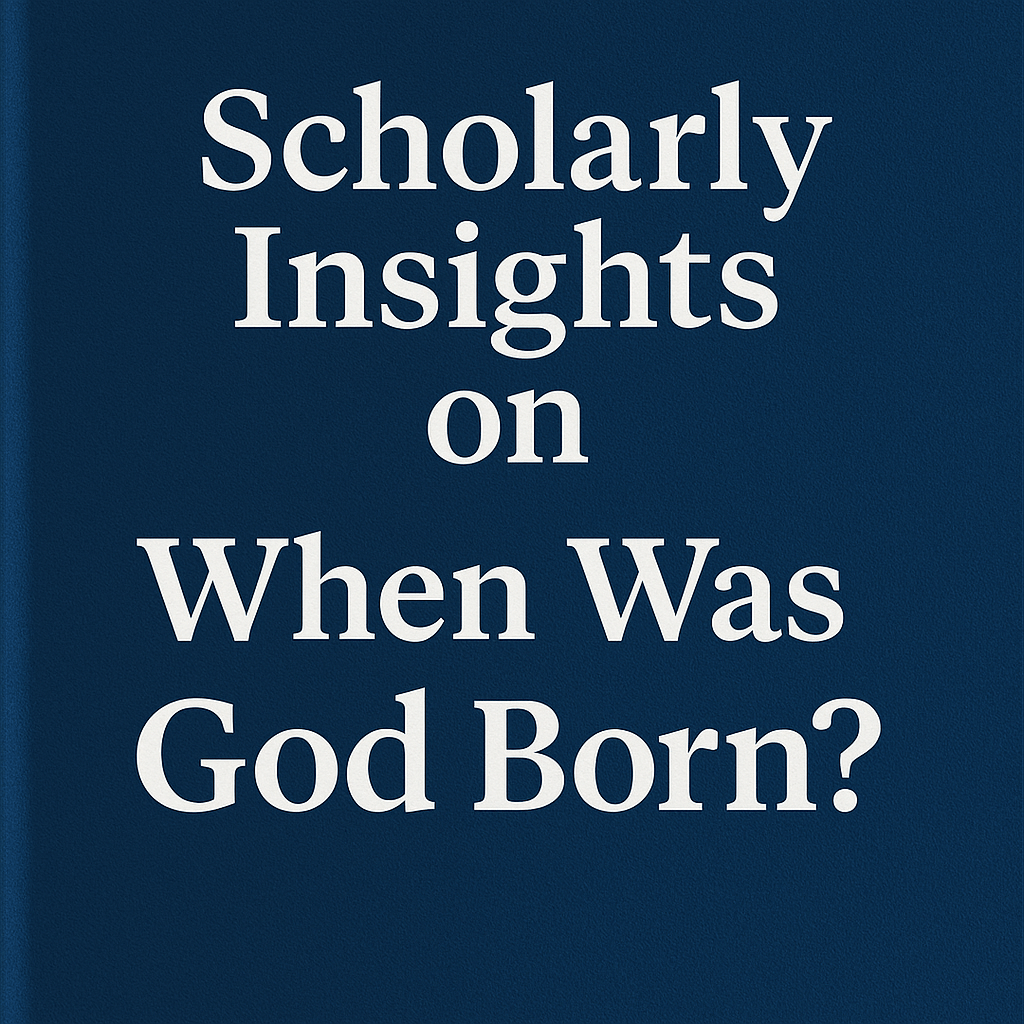
The Lord Jesus' probable birth year.
Scholarly Perspectives on Jesus’ Birth (~6 BC)
| Scholar | Institution / Work | View on Birth Year & Rationale | Notes |
|---|---|---|---|
| Raymond E. Brown | Catholic University of America - The Birth of the Messiah | Places Jesus’ birth 6–4 BC, based on Herod the Great’s reign and the Magi narrative. | Seeks to harmonize Matthew and Luke while acknowledging historical uncertainties. |
| Paula Fredriksen | Boston University - From Jesus to Christ | Supports late 1st century BCE, likely 6–4 BC, considering Herod and sociopolitical context. | Emphasizes historical plausibility over liturgical date. |
| John Nolland | Fuller Theological Seminary - Luke 1–9:20 | Suggests Luke’s census is partly theological; birth likely 6–5 BC in Bethlehem. | Acknowledges Luke’s theological shaping but uses historical markers to approximate date. |
| Craig S. Keener | Asbury Theological Seminary - The Gospel of Matthew: A Commentary | Argues birth before Herod’s death (~4 BC), probably 6 BC, based on Magi and narrative sequence. | Highlights historical harmonization of Matthew and external records. |
| F. F. Bruce | University of Manchester - The Canon of Scripture | Supports 6–4 BC, integrating historical evidence of Herod’s reign and census. | Notes that exact year is uncertain; historical markers guide approximation. |
| John P. Meier | University of Notre Dame - A Marginal Jew | Suggests 6–5 BC, considering Herod’s political activity, census timing, and narrative context. | Treats Gospel accounts as historically informed but shaped by theological concerns. |
| R. T. France | University of London - Matthew: Evangelist and Teacher | Dates birth slightly before 4 BC to align with Herod’s death and the Magi visit. | Emphasizes the theological symbolism of Matthew’s infancy narrative. |
| Darrell Bock | Dallas Theological Seminary - Luke Commentary | Proposes 6–5 BC, correlating Roman census and Bethlehem birth. | Integrates historical-critical method with theological reflection. |
| E. P. Sanders | Duke University - Jesus and Judaism | Suggests late 1st century BCE, likely 6 BC, for historical consistency with Herod and political context. | Places Jesus’ birth firmly in historical reality, not myth. |
| Richard Bauckham | University of St Andrews - Jesus and the God of Israel | Supports 6–4 BC, emphasizing messianic prophecy and covenant continuity. | Shows the birth as historical yet deeply theological. |
The Lord Jesus' probable birth month:
Scholarly Perspectives on the Month of Jesus’ Birth
| Scholar | Institution / Work | Proposed Month / Season | Rationale / Notes |
|---|---|---|---|
| Raymond E. Brown | Catholic University of America - The Birth of the Messiah | Unknown; possibly spring | Based on Luke 2:8, shepherds were in the fields, suggesting mild weather and springtime. December 25 was adopted later for liturgical purposes, not historical accuracy. |
| John Nolland | Fuller Theological Seminary - Luke 1–9:20 | Spring (March–April) | Shepherding and lambing season suggest a spring birth. Winter would have been too harsh for outdoor pastoral activity. |
| Craig S. Keener | Asbury Theological Seminary - The Gospel of Matthew: A Commentary | Autumn (Sept–Oct) | Roman census travel may have been easier in autumn. Still, shepherds’ outdoor duties make spring more likely. |
| F. F. Bruce | University of Manchester - The Canon of Scripture | Unknown; December symbolic | December 25 chosen later to align with Roman festivals. No historical evidence indicates winter as the actual birth month. |
| Paula Fredriksen | Boston University - From Jesus to Christ | Spring or autumn | Shepherds and census patterns make winter unlikely. Spring is historically plausible. |
| William Barclay | University of Glasgow - The Gospel of Matthew | Spring | Shepherds’ presence outdoors suggests moderate weather. Winter would have been inhospitable in Judea. |
| Darrell Bock | Dallas Theological Seminary - Luke Commentary | Spring | Luke’s narrative reflects realistic historical detail. Shepherding patterns support springtime birth. |
| E. P. Sanders | Duke University - Jesus and Judaism | Unknown | Early church traditions (December 25) are liturgical. Historical evidence for the exact month is lacking. |
| R. T. France | University of London - Matthew: Evangelist and Teacher | Unknown; December symbolic | December 25 likely chosen for symbolic reasons. There is no historical basis for a winter birth. |
| Richard Bauckham | University of St Andrews - Jesus and the God of Israel | Spring | Shepherds in the fields indicate springtime activity. Historical context makes winter improbable. |
Conclusion: Based on The Scholarly consensus it's probable that The Lord Jesus was born March or April 6 BC.
The birth of The Lord Jesus marks the greatest gift humanity has ever received: God Himself entering the world as a human (John 1:14). In Bethlehem, the Savior came humbly, wrapped in swaddling clothes, fulfilling the prophecy of Isaiah 7:14 that a virgin would bear a Son called Immanuel-“God with us.”
His birthday reminds us of God’s incredible love (John 3:16) and the hope He brings into a world marred by sin. As the angels declared to the shepherds, “Glory to God in the highest, and on earth peace, goodwill toward men” (Luke 2:14), we celebrate not only His birth but His ongoing presence.
May we honor The Lord Jesus not merely with gifts and songs, but by living faithfully, loving others, and following Him daily, remembering that He came to bring life and light to all who believe (John 8:12).