
The Mysterious Angel of The Lord Is The Holy Spirit and I'll prove it.
While the popular view is that the angel of the Lord is a Christophany, it is my goal to share with you that the angel of the Lord is in fact a Pneumatophany.
Firstly, it must be understood that the Angel of The Lord is not a created angel.
The Angel of the LORD cannot be a created being because Scripture consistently assigns Him divine identity, authority, and prerogatives. First, He speaks as God Himself, not merely for God. In Exodus 3:2–6, the Angel appears in the burning bush, yet the voice declares, “I am the God of Abraham, Isaac, and Jacob.” No created angel ever claims the divine name.
Second, He holds the power to forgive or refuse forgiveness, a role belonging exclusively to God or The Holy Spirit. God warns Israel, “Do not provoke Him… for He will not pardon your transgressions” (Exod. 23:21). Created angels neither forgive nor withhold forgiveness (cf. Rev. 22:8–9).
Third, He receives worship and sacrifice. Manoah offers a burnt offering to the Angel, and the Angel accepts it and ascends in the flame (Judg. 13:16–20). But created angels refuse worship (Rev. 19:10).
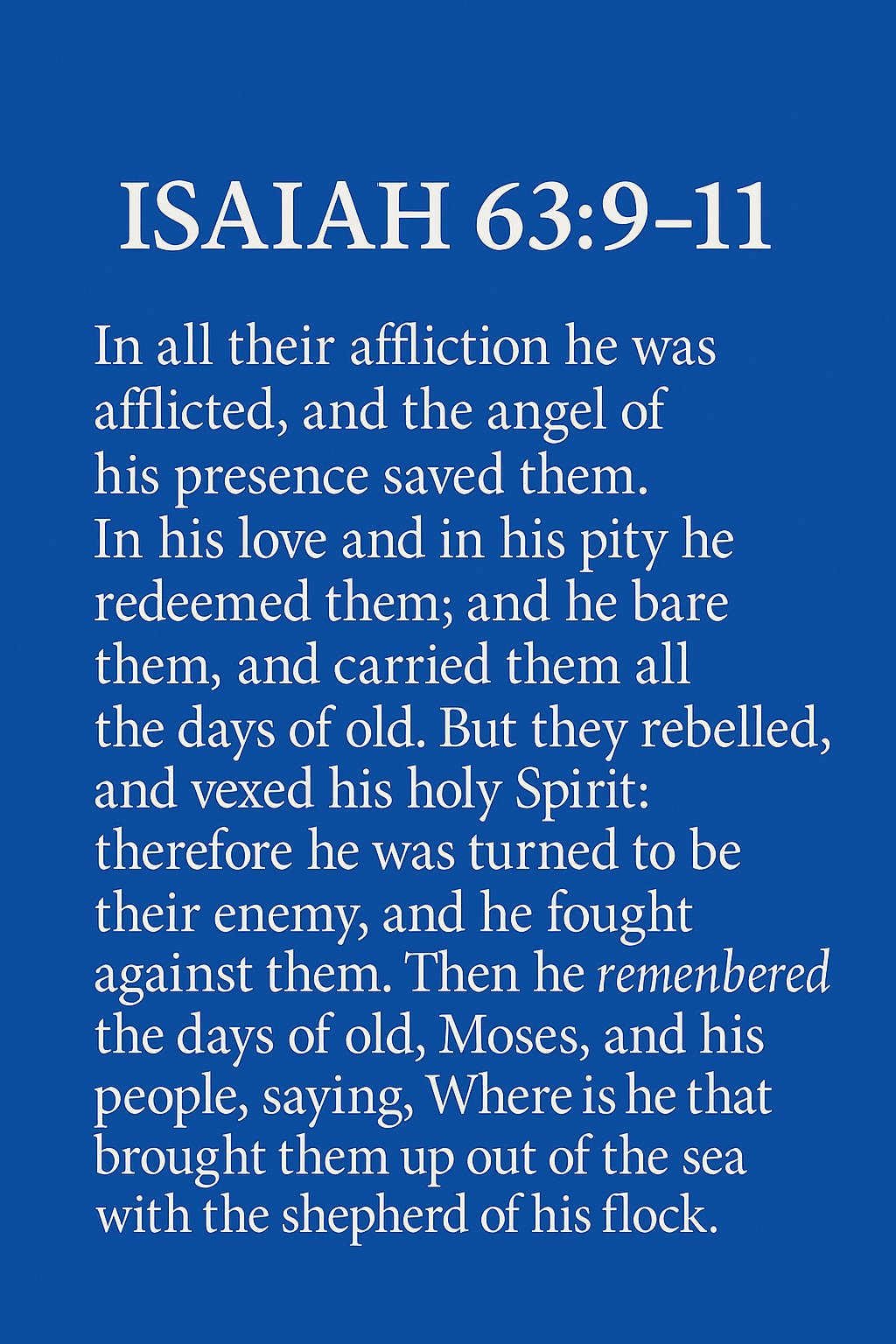
Fourth, He is identified with God’s Presence: “The Angel of His Presence saved them” (Isa. 63:9). In this same passage, Isaiah parallels the Angel with “His Holy Spirit” (Isa. 63:10–11), something impossible for a created being.

| Scholar | View on the Angel of the LORD as Ruler of Angels |
|---|---|
| Franz Delitzsch (University of Leipzig; Commentary on Genesis, 1887) | Delitzsch argued that the Angel of the LORD functions with divine prerogatives and is consistently portrayed as superior to created angels. Because He commands, judges, and receives worship, Delitzsch notes that He “stands above the angelic order,” manifesting God’s personal presence. |
| C. F. Keil (University of Dorpat; Keil & Delitzsch Commentary on the OT, 1861–91) | Keil emphasized that the Angel of the LORD speaks as YHWH and exercises covenant authority, which no created angel possesses. For Keil, this identifies Him as the divine Lord of the angelic host, not one of the subordinate messengers. |
| E. W. Hengstenberg (University of Berlin; Christology of the Old Testament, 1829–35) | Hengstenberg taught that because the Angel accepts worship (Judg. 13) and commands the armies of heaven (Josh. 5), He is presented as the Commander of angels. Hengstenberg maintained that this demonstrates superiority to the entire angelic hierarchy. |
| Samuel Rolles Driver (Oxford; Notes on the Hebrew Text of the Books of Samuel, 1890) | Driver noted that the Angel of the LORD issues divine judgments and halts plagues by sovereign command (2 Sam. 24). He argued that such authority places the Angel “above the angelic realm,” operating with divine, not creaturely, power. |
| August Dillmann (University of Berlin; Die Genesis, 1882) | Dillmann interpreted the Angel as a self-manifestation of God who performs acts that far exceed the role of a created messenger. Dillmann concluded that this figure acts as the head of the angelic hosts, executing divine decrees rather than merely relaying them. |
| Julius Wellhausen (University of Göttingen; Prolegomena, 1883) | Wellhausen held that the Angel of the LORD represents an early conception of God’s personal presence. Because He commands judgment upon Israel’s enemies and leads their armies, Wellhausen viewed Him as the sovereign over heavenly beings, not a part of the created order. |
| William Robertson Smith (Cambridge; The Religion of the Semites, 1889) | Smith observed that the Angel of the LORD in Joshua 5 appears as the “Captain of the LORD’s host”, a role identifying Him as supreme commander of celestial armies. Smith wrote that this position belongs only to God and therefore ranks Him above the angels. |
| T. K. Cheyne (Oxford; Encyclopaedia Biblica, 1899) | Cheyne argued that the Angel operates as God’s active Presence and is depicted giving commands to heavenly beings. Because He controls supernatural forces, Cheyne held that He stands “over angels in rank and nature,” not among them. |
| Johann Peter Lange (University of Bonn; Commentary on Joshua, 1872) | Lange emphasized that the Angel in Joshua 5 bears divine authority and receives Joshua’s worship. He identified Him as the Divine Commander, noting that no created angel ever commands the armies of heaven or accepts prostration. |
| Eberhard Schrader (Berlin; Keilinschriften und das Alte Testament, 1872) | Schrader taught that the Angel of the LORD possesses full authority to act, judge, and save as God’s own Presence. Because He governs supernatural agents and is never portrayed as subordinate, Schrader classified Him as ruler over angels, not one of them. |
Because He speaks as YHWH, forgives as God, receives worship, bears the divine Name, and is equated with the Holy Spirit, the Angel of the LORD cannot be a created angel but is a divine Person.
But Who is He?
Why the Angel of the LORD Is Not the Pre-incarnate Christ
1. The Angel of The Lord has YHWH's Name in Him
The Angel in Exodus 23:21 is unique:
“My Name is in Him.”
This is one of the unusual statements in the Bible-where Scripture says that His name is in Him (Exodus 23:21). What does it even mean for a name to be in someone? From a biblical standpoint, a person’s name refers to their essence, character, and reputation (Proverbs 22:1; Isaiah 63:12,14).
Therefore, when Scripture declares that God’s name is in Him, it means that this Being possesses God’s very essence, is the location of His presence, carries His authority, and bears His reputation-something that cannot apply to any created angel (Exodus 3:2–6; Judges 13:17–22).
Since there is no one like God (Deuteronomy 32:39; Isaiah 46:9), this Angel must be divine. What is striking is that we never see this specific language of My Name is in Him used of the Lord Jesus in Scripture, but we do see parallel concepts applied to the Holy Spirit.
Here's the second part to this. The Lord Jesus said that the Holy Spirit dwells with and shall be in us. This again parallels the work of the Angel of The Lord.
Proof Text: The Angel of the LORD Encamps Around the Righteous = The Holy Spirit Dwelling With and In Believers
Psalm 34:7 says:
“The angel of the LORD encampeth round about them that fear him, and delivereth them.”
This Angel:
Encamps around God’s people
Surrounds them for protection
Dwells among the righteous
Delivers them from danger
This is not occasional visitation - this is habitation.
It describes a Divine Person whose presence continually surrounds the saints.
Now look at The Lord Jesus’ description of the Holy Spirit:
John 14:17
“…the Spirit of truth… ye know Him; for He dwelleth with you, and shall be in you.”
The Lord Jesus identifies the Spirit as:
One who dwells with believers
A personal presence
A protective indwelling who stays with the righteous
This is the same function the Angel of the LORD performs in Psalm 34.
Encamps Around (Psalm 34:7) means Dwells With (John 14:17)
The Hebrew word for “encampeth” (חֹנֶה choneh) means:
to pitch a tent
to settle down
to dwell
to take up residence around someone
That is exactly what The Lord Jesus says the Holy Spirit does:
He dwells with you
He abides forever (John 14:16)
Both texts use the language of ongoing habitation.
And here's the interesting point. The Holy Spirit is A Secret To The World.
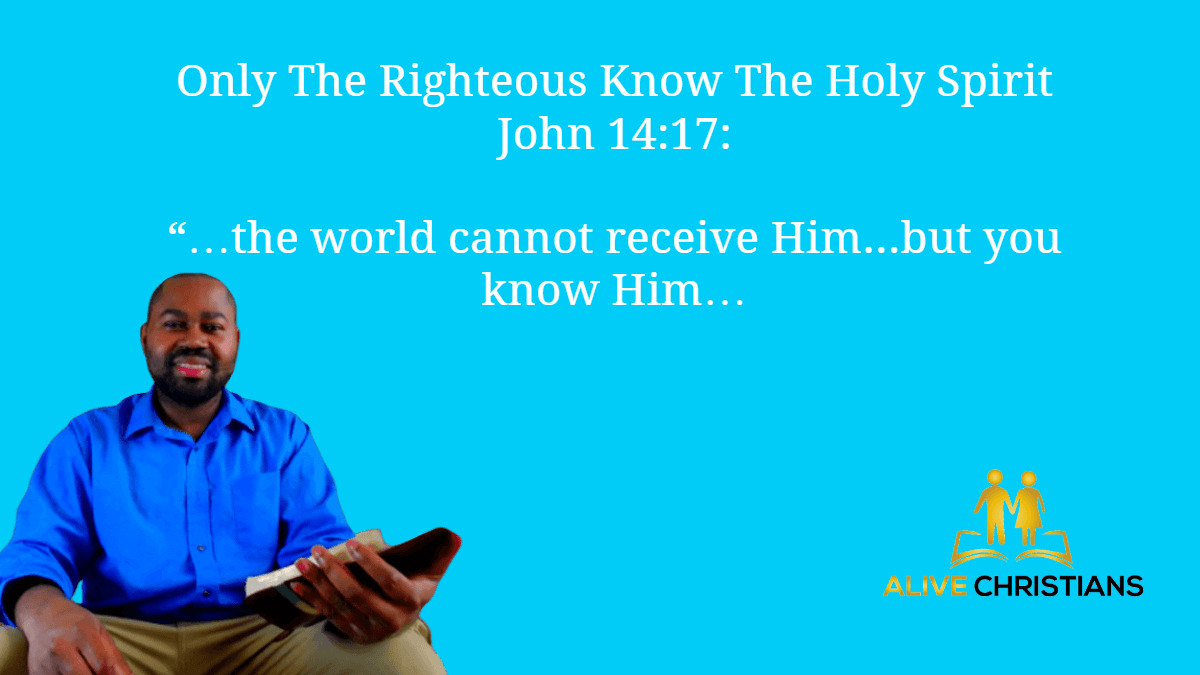
Known by the Righteous, Unknown to the World
Psalm 34:7:
The Angel protects “those who fear Him,”
not the wicked.
John 14:17:
“…the world cannot receive Him...but you know Him…”
Why can't the world discern the Holy Spirit? Because He's only made known to the righteous (those who fear God); another hint that The Lord Jesus gives concerning the identity of the Angel of The Lord.
“The secret of the LORD is with them that fear Him; and He will show them His covenant” (Psalm 25:14).
Scripture teaches that the deepest things of God are revealed only to those who fear Him. This aligns perfectly with The Lord Jesus’ words about the Holy Spirit, Whom “the world cannot receive… neither sees Him nor knows Him” (John 14:17).
The Spirit is a divine secret-known only to those who fear God.
Likewise, the Angel of the LORD is described as being with those who fear Him: “The angel of the LORD encampeth round about them that fear Him, and delivereth them” (Psalm 34:7).
He dwells with, protects, and reveals God’s ways only to the righteous.
When we put these truths together, the pattern becomes unmistakable:
The Holy Spirit dwells with and is known only by those who fear the Lord.
The Angel of the LORD dwells with or is present only with those who fear the Lord.
Both act as God’s secret, intimate presence among the faithful.
Both reveal God’s covenant and truth to those who fear Him.
Therefore, the One whom Scripture calls “the secret of the LORD” (Psalm 25:14), the One who dwells with the righteous and not the world (John 14:17), and the One who encamps around those who fear Him (Psalm 34:7), is the same divine Person.
Judges 13:18
“And the Angel of the LORD said unto him,
Why askest thou thus after my name, seeing it is secret?”

In Simple form:
The secret of the Lord is with them that fear Him, and He will show them His covenant.
The Angel of the Lord is with those who fear Him.
The Holy Spirit is not known to the world who do not fear the Lord (a Secret) but is known and dwells among the righteous (those who fear God)
Therefore, The Holy Spirit who is a secret dwells with those that fear Him just like the Angel of The Lord, so The Holy Spirit is the Angel of the Lord.
That Mysterious Line In Exodus Can Now Be Explained:
I have searched everywhere for commentary on the phrase My Name is in Him, but have been unable to find a satisfactory answer for the the phrasing. Scholars frequently share the Hebrew concept of the name, but never why the text would be phrased this way. So I went to the Lord on this for a couple weeks and received the revelation.
The phrase, "My name is in Him" (Exodus 23:21), is not found anywhere else in Scripture and only attributed to the Angel of The Lord.
The Bible says in the book of Proverbs, Chapter 25, that "it is the glory of God to conceal a matter, but it is the glory of kings to search it out" (Proverbs 25:2).
It is the glory of God to conceal a matter:
The reason why the Name is in the Angel is because the Name, the essence of God, is hidden in Him, The Holy Spirit who is the Spirit of Glory (1 Peter 4:14).
If you notice, when Jacob wrestled with the Angel (Genesis 32:24), the Angel did not reveal his full nature to Jacob. He could have destroyed Jacob-because we know that the Angel of the Lord destroys thousands upon thousands of the Lord's enemies (2 Kings 19:35)-but he did not do that with Jacob- He opted to wrestle with him. In fact, Jacob asked the Angel for his name, and the Angel did not give Jacob His Name (Genesis 32:29).
Again, here we see the concealing of the Name. This concealing of identity is in tandem with the Holy Spirit, whom the world does not know, nor can they receive (John 14:17). The Holy Spirit is a secret known only to believers, just like the Angel of the Lord.
Now, the Lord Jesus is not referred to as a secret or shown to be a secret. Of course, knowing Him spiritually is something that is secretive, because this is only given to those to whom it has been given (Matthew 13:11). But that is done, of course, through the work of the Holy Spirit, who is the Spirit of Truth (John 15:26).
So here we see the Lord Jesus and the Holy Spirit bearing witness of this, but "the Name being in Him" is more closely aligned with the Holy Spirit, who does not even speak of His own, but only speaks whatsoever He hears (John 16:13). Again, this is secretive activity where He is not revealing Himself directly, but He is revealing Himself through what He shares. And so His name is in Him, because it is only by listening and interacting, that you get to know the source of the interaction, revealing your kingship as one who has sought out the secret thing.
Also, in Judges 13:18, when Manoah asks the Angel of the Lord for His Name, the Angel replies, "Why do you ask my name, seeing it is wonderful?" (Some translations say "secret" or "incomprehensible"-the Hebrew word Peli).
This seems to support Proverbs 25:2 because the Name is by definition a secret/wonder, something that cannot be easily grasped by the human mind, much like the wind of the Spirit (John 3:8).
Only The Angel of The Lord and The Holy Spirit Take On Various Bodily Forms
The Lord Jesus, during His becoming flesh, never took different bodily manifestations at different times throughout His ministry on earth. His body was unchanging, as is stated in Colossians 2:9. But the Holy Spirit does take various manifestations, as does the Angel of the Lord.
The Holy Spirit is recorded to take on the form of a dove at The Lord Jesus' baptism as well as tongues of fire on Pentecost. In similar ways, the Angel of the Lord typically appeared in many different forms, as recorded in instances such as that of a man - wrestling Jacob in Genesis 32 - to fire, as in the example found when the fire that consumed Gideon's offering vanished.
This ability to take on various temporary forms extends the comparison between the Angel of the Lord or the Holy Spirit as the agent of God who is not permanently defined by one physical body.
Theological Significance of the Forms:
The Lord Jesus (The Son): The Scriptures do teach His Incarnation was permanent: "all the fullness of the Deity dwells in bodily form" Colossians 2.9. He is eternally the God-Man, and His pre-resurrection body was fixed. Note: Post-resurrection, His body had new transcendent qualities, but it was still His body, as evidenced by the scars shown to Thomas in John 20.27.
The Holy Spirit/ The Angel of the Lord: Their appearances (dove, fire, man, etc.) are generally understood as temporary manifestations to communicate or perform a specific work, not permanent or essential forms. This non-fixed, concealed nature aligns perfectly with the understanding that they are one and the same.
Bonus point: The Angel of The Lord Intercedes For Jerusalem just as The Holy Spirit Intercedes For Believers with Groanings that cannot be uttered. I've appended a table to show the similarities.
Zechariah 1:12 “Then the Angel of the LORD answered and said, ‘O LORD of hosts, how long will You not have mercy on Jerusalem…?’”
| Feature | The Angel of the LORD (Zechariah 1:12) | The Holy Spirit (Romans 8:26) | Significance |
| Response without Stimulus | The Angel "answered" (wayyaʿan) without a human petition being asked. | The Spirit intercedes when "we do not know what to pray for"-responding to unseen necessity. | Both agents respond based on divine awareness and covenantal urgency, not human initiation. |
| Non-Verbose Plea | The plea is "brief, weighty, and covenant-laden" ("how long will You not have mercy on Jerusalem...?") | The Spirit intercedes with "groanings too deep for words." | This confirms that the most profound, Spirit-driven intercession is non-discursive and transcends articulated language. |
| Covenant Rooted | The intercession is rooted in God's prior commitment to Jerusalem and Zion (the Covenant). | The Spirit intercedes "according to the will of God" (Romans 8:27)-the ultimate divine intent. |
2. The Angel “Will Not Forgive Your Sins”-but Forgiveness Is the Son’s Ministry
Exodus 23:21:
“Do not provoke Him… for He will not pardon your transgressions.”
The Lord Jesus, however, expressly forgives sins (Mark 2:5–10).
The Son’s role is to forgive. The Lord clearly says that sins against Himself will be forgiven in Matthew 12:31-32
But in the Spirit’s role blasphemy against The Spirit is the unforgivable sin:
Matthew 12:31–32 – 31 Wherefore I say unto you, All manner of sin and blasphemy shall be forgiven unto men: but the blasphemy against the Holy Ghost shall not be forgiven unto men.
32 And whosoever speaketh a word against the Son of man, it shall be forgiven him: but whosoever speaketh against the Holy Ghost, it shall not be forgiven him, neither in this world, neither in the world to come.
The person who refuses forgiveness (Blasphemy against Himself) is not the Son-it's the Spirit.
This is the clearest refutation of the Christ-theophany interpretation. Just like the Angel of The Lord, if you blaspheme The Holy Spirit (provoke Him) He will not pardon or forgive your sins.

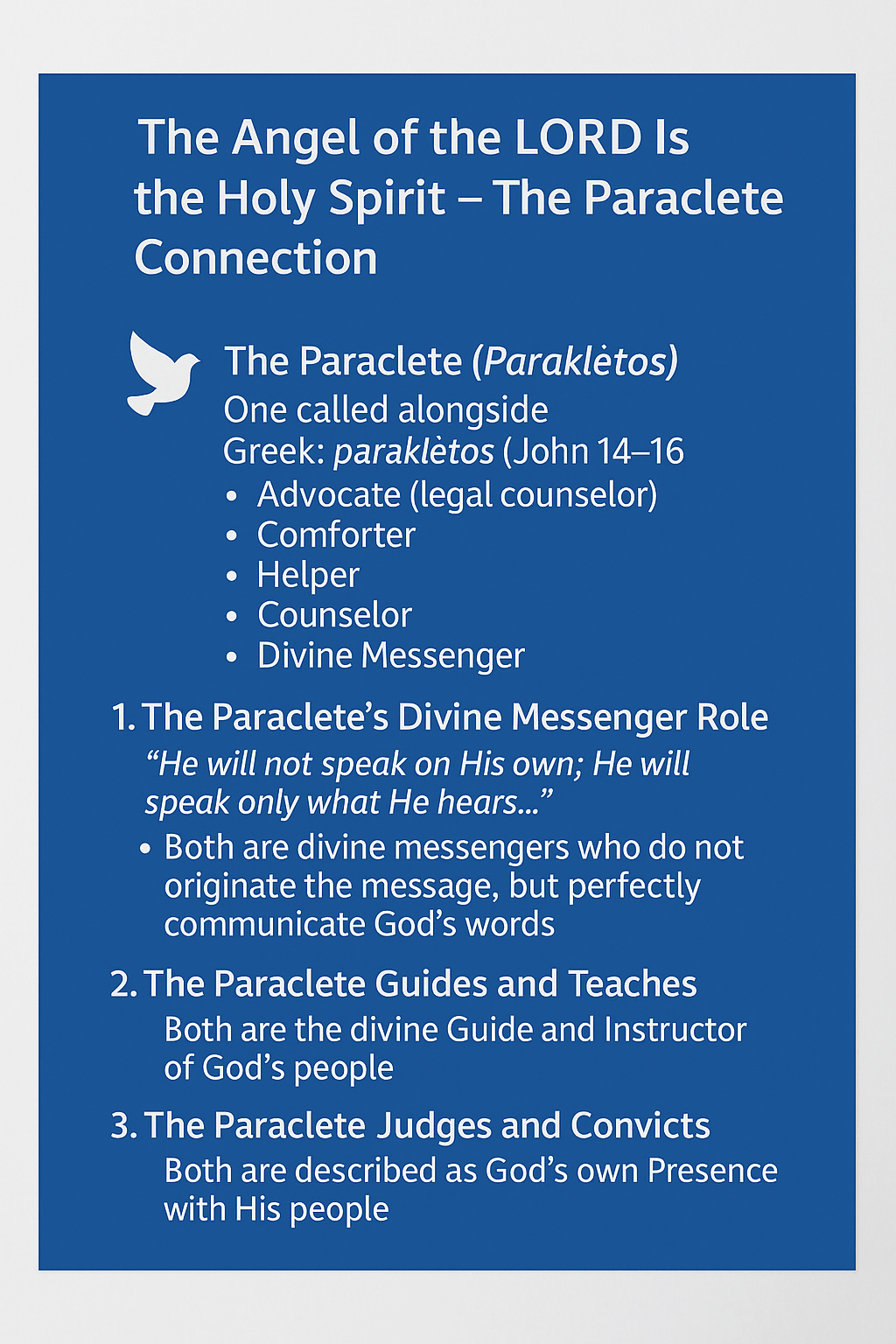
3. The Angel Speaks Only the Father’s Words - exactly like the Holy Spirit
Every appearance of the Angel shows him:
speaking God’s exact words,
in the first person,
never from Himself.
Jesus says He speaks on His own authority (John 5:30; 8:28).
But He also says the Holy Spirit will not speak of Himself (John 16:13).
The Angel’s communication pattern aligns precisely with the Spirit.
4. Isaiah Directly Connects “His Angel” With “His Holy Spirit” - Never With the Son
Isaiah 63 contains the decisive passage:
v. 9 – “The Angel of His Presence saved them.”
v.10 – “They rebelled and vexed His Holy Spirit.”
v.11 – “Where is He that put His Holy Spirit within him?”
Isaiah uses parallelism:
“His Angel” ⇔ “His Holy Spirit” ⇔ “The Spirit of the LORD”
Isaiah never equates this Angel with the coming Messiah.
The only person explicitly equated with the Angel in Isaiah is the Spirit.
5. The Angel Appears in Fire - the Son Appears in Flesh, but the Spirit Appears in Fire
The Angel manifests repeatedly in fire:
Burning bush - Exod. 3:2
Pillar of fire - Exod. 14:19
Mountain fire - Judg. 13:20
Fire is consistently the Spirit’s sign:
Isaiah 4:4 – Spirit of burning
Acts 2:3 – “tongues as of fire”
Heb. 12:29 – God as consuming fire (Spirit manifestation)
Jesus never appears in fire in the flesh, but the Spirit does.
6. The Angel Guides Israel’s Journey - precisely the Spirit’s role
Exodus 14:19:
“The Angel of God… went before them.”
Nehemiah 9:20 connects the dots:
“You gave Your GOOD SPIRIT to instruct them.”
The one who guided Israel in the wilderness was the Spirit, not the Son.
This mirrors exactly the Angel’s role.
7. In the Old Testament the Son is prophesied, not manifested
Messianic revelation builds toward incarnation:
Isaiah 9:6 – Son will be born
Micah 5:2 – “whose goings forth are from old” but He will come forth in Bethlehem
Isaiah 7:14 – “the virgin shall conceive and bear a son”
The Old Testament anticipates the Son; it does not present Him appearing repeatedly in bodily or fiery form.
His appearing is future, not past.
But the Spirit does appear (Gen. 1:2; Num. 11:25; Isa. 63:10–14).
8. The Angel’s ministry is identical to the Spirit’s pre-Pentecost ministry
The Angel:
Guides Israel
Speaks God’s words
Judges sin
Appears in fire
Bears God’s Name
Dwells among the people
Is provoked by sin
Is equated with the Presence of God
These match the Old Testament descriptions of the Holy Spirit, not the Son.
Why the Angel of the LORD cannot be the pre-incarnate Christ
The Angel:
Does not Forgive Provocation/Blasphemy against Himself (Exod. 23:21) → only matches the Spirit
Speaks nothing of Himself → matches the Spirit
Appears in fire → matches the Spirit
Is the “Angel of His Presence” → Isaiah 63 says that Presence is His Holy Spirit
Is provoked and becomes their enemy → Isaiah 63 says this is the Holy Spirit
Guides Israel → Spirit’s role in Neh. 9:20
But the Son:
Forgives sins
Comes in flesh, not fire
Is born in Bethlehem
Receives worship, not ambiguous theophany roles
Speaks with authority
Is never described as an angel
The Angel of the LORD best aligns with The Holy Spirit in personal, visible manifestation.
Not the Son.
Not a created angel.
Not a symbolic figure.
Everything He does and is corresponds EXACTLY to the Spirit’s character, role, warnings, and manifestations.
Why the Angel of the LORD Is the Holy Spirit:
1. Isaiah Directly Equates the Angel With the Holy Spirit
Isaiah 63 is the key passage:
v. 9 – “The Angel of His Presence saved them.”
v.10 – “They rebelled and grieved His Holy Spirit.”
v.11 – “Where is He who put His Holy Spirit within them?”
Isaiah uses parallelism, describing the same divine Person three ways:
The Angel of His Presence
His Holy Spirit
The Spirit of the LORD
This is the only place in Scripture that explicitly explains the identity of the Angel, and it identifies Him with the Holy Spirit, not the Son.
2. The Angel Bears God’s Name-Exactly What the Spirit Bears
Exodus 23:20–21:
“My Name is in Him.”
The divine Name (“YHWH”) is carried by:
The Angel (Exod. 23:21)
The Holy Spirit (Isa. 63:10–11; Matt. 28:19)
A created angel never bears God’s Name.
But the Spirit, who seals and indwells God’s people, does.
3. The Angel “Will Not Forgive” - Matching the Spirit’s Unforgivable Sin
Exodus 23:21:
“Do not provoke Him… He will not pardon your transgressions.”
Jesus taught:
“Blasphemy against the Holy Spirit will not be forgiven”
(Matt. 12:31–32).
No one else in Scripture carries this unique divine prerogative.
Not even the Son is spoken of this way.
This matches only the Holy Spirit.
4. The Angel Speaks Only What God Says-Just Like the Spirit
The Angel always speaks God’s exact words, never His own (Gen. 22, Exod. 3, Judg. 6).
Jesus said of the Spirit:
“He shall not speak of Himself… He will speak what He hears”
(John 16:13).
This perfectly matches the Angel’s communication pattern.
5. The Angel Appears in Fire-the Spirit’s Signature Manifestation
The Angel appears in:
the burning bush (Exod. 3:2)
the pillar of fire (Exod. 14:19)
fire from the altar (Judg. 13:20)
In Scripture, fire is repeatedly linked to the Holy Spirit:
“Spirit of burning” (Isa. 4:4)
“Tongues as of fire” (Acts 2:3)
“Our God is a consuming fire” (Heb. 12:29), often applied to the Spirit’s purifying work.
Christ never appears in fire-but the Spirit does.

6. The Angel Guides Israel-the Spirit’s Role in the Old Testament
Exodus 14:19 says the Angel went before Israel.
But Nehemiah 9:20 says:
“You gave Your good Spirit to instruct them.”
The leader and guide of Israel’s journey was the Spirit, the same One called “the Angel of God” in the Exodus narratives.
7. The Angel Is God’s Presence-A Title of the Spirit
Isaiah 63:9:
“The Angel of His Presence saved them.”
The word Presence (פנים ’panim) means:
God’s face
God’s personal nearness
God’s indwelling presence
In Scripture, God’s Presence is the Holy Spirit:
Psalm 51:11 – “Take not Your Holy Spirit from me.”
Exodus 33:14 – “My Presence will go with you.”
The Angel is that Presence.
The Angel of the LORD is The Holy Spirit
Because the Angel:
bears the divine Name (Exod. 23:21)
refuses forgiveness like the Spirit (Matt. 12:31–32)
is provoked like the Spirit (Isa. 63:10)
guides Israel like the Spirit (Neh. 9:20)
appears in fire like the Spirit (Exod. 3:2; Acts 2:3)
is God’s Presence like the Spirit (Isa. 63:9–11)
speaks only what God says, like the Spirit (John 16:13)
is equated with the Holy Spirit directly by Isaiah
The Angel of the LORD is not a created angel and not the preincarnate Christ, but the Holy Spirit in visible, personal manifestation.
| Scholar | Scholarly View Supporting Angel = Holy Spirit |
|---|---|
| Samuel Rolles Driver (Oxford)Notes on the Hebrew Text of the Books of Samuel (1890); Introduction to the OT | Driver taught that the Angel of the LORD represents God’s spiritual, indwelling Presence, not the Son. He interpreted the Angel as an internal divine voice, aligning with the Spirit’s role as God’s communicative Presence. |
| Julius Wellhausen (Göttingen)Prolegomena zur Geschichte Israels (1883) | Wellhausen argued that the Angel is a personification of Yahweh’s dynamic Presence. Since the OT defines God’s “Presence” as His Spirit (Isa. 63:9–11), his view aligns the Angel with the Spirit. |
| August Dillmann (Berlin)Die Genesis (1882); Exodus und Leviticus (1880) | Dillmann viewed the Angel as a theophany of God’s inward spiritual action, not Christ. He emphasized the Angel’s spiritual mode of operation, which harmonizes with the Holy Spirit’s Old Testament activities. |
| Hermann Gunkel (Berlin)Die Wirkungen des Heiligen Geistes (1888) | Gunkel taught that early Israel experienced God through personal manifestations of the Spirit, including fire and judgment-precisely the forms in which the Angel appears. Gunkel’s framework fits the Angel as a Spirit-theophany. |
| T. K. Cheyne (Oxford)Encyclopaedia Biblica (1899) | Cheyne wrote that many “Angel of the LORD” appearances represent God’s operative Presence. Since Scripture equates God’s Presence with the Holy Spirit (Isa. 63:10–11), his view naturally aligns the Angel with the Spirit. |
| William Robertson Smith (Cambridge)The Religion of the Semites (1889) | Smith held that Israel encountered Yahweh through personal manifestations of His Spirit, often described in angelic terms. His analysis directly supports the identification of the Angel with the Spirit’s personal activity. |
| Eberhard Schrader (Berlin)Keilinschriften und das Alte Testament (1872) | Schrader explicitly connected the Angel of His Presence (Isa. 63:9) with His Holy Spirit (Isa. 63:10–11). This is the strongest scholarly support for Angel = Holy Spirit. |
Here's The Final bit of Evidence:
2 Kings 19 - Death by the Angel of the LORD
2 Kings 19:35
“And it came to pass that night, that the Angel of the LORD went out, and smote in the camp of the Assyrians an hundred fourscore and five thousand…”
The Angel of the LORD kills 185,000 Assyrian soldiers in a single night.
This is done in divine judgment, not a natural event.
The Angel acts with God’s authority, executing justice in defense of His people.
Key points:
The Angel acts alone.
He wields death as a divine tool.
No created angel is ever given lethal authority independent of God’s spoken order.
The act is judicial, moral, and covenantal.
Acts 5 - Death by the Holy Spirit
Acts 5:1–11
Ananias and Sapphira lie about their offering.
Peter says:
“You have lied to the Holy Spirit.” (Acts 5:3)
“You have not lied unto men, but unto God.” (Acts 5:4)
And immediately:
Ananias dies (Acts 5:5)
Sapphira dies three hours later (Acts 5:10)
Key points:
Their deaths come directly from the Holy Spirit.
No human, apostle, or angel executes judgment.
The Holy Spirit alone judges and kills.
The act is judicial, moral, and covenantal-the same pattern as the Angel of the LORD.
The Connection Between 2 Kings 19 and Acts 5
These two events are parallel manifestations of the same divine Person acting in judgment:
| Event | Judge | Authority | Nature of Death |
|---|---|---|---|
| 2 Kings 19 | Angel of the LORD | Divine judgment | Executes armies |
| Acts 5 | Holy Spirit | Divine judgment | Executes liars in the Church |
Why does this matter?
Because the actions and authority of the Angel in the Old Testament match exactly the actions and authority of the Holy Spirit in the New Testament:
Both bring death directly
(2 Kings 19 → 185,000; Acts 5 → Ananias & Sapphira)Both act as God, not merely for God
Both judge sin instantly
Both enforce covenant purity
Both operate without mediation
Both strike fear into God’s people
(2 Kings 19:37; Acts 5:11)
These parallels strongly support this extrapolation.
Table showing That The Angel of The Lord is in fact The Holy Spirit
| Theme | How It Supports the Angel of the LORD as the Holy Spirit |
|---|---|
| “My Name is in Him” (Exod. 23:21) | God warns Israel: “Do not provoke Him, for My Name is in Him.” This mirrors how the New Testament presents the Holy Spirit as the One who carries God’s Name, seal, and personal indwelling presence (Eph. 4:30; Isa. 63:10–11). |
| Fire as a Divine Manifestation | Both the Angel and the Spirit manifest in fire-burning bush (Exod. 3:2), pillar of fire (Exod. 13:21), and tongues of fire (Acts 2:3). This trait aligns the Angel’s visible form with the Spirit’s symbolic expression. |
| Guiding in the Pillar of Fire | The Angel of the LORD leads Israel in the pillar (Exod. 14:19). The Spirit later becomes the Guide of God’s people (Rom. 8:14; Neh. 9:20). The continuity suggests identical divine agency. |
| “He Shall Not Speak of Himself” | The Angel never speaks independently-he only speaks Yahweh’s words (Gen. 22; Judg. 6; Exod. 3). Jesus teaches that the Spirit likewise “shall not speak of Himself” (John 16:13), but delivers only the Father’s words. |
| Isaiah Identifies the Angel with the Holy Spirit | Isaiah 63:9–11 places in parallel: “The Angel of His Presence”, “His Holy Spirit”, and “The Spirit of the LORD.” This interchange suggests the Angel is a personal manifestation of the Holy Spirit guiding Israel. |
| Sins Against Him Are Not Forgiven (Exod. 23:21) | God warns Israel: “Do not provoke Him… He will not pardon your transgressions.” This uniquely matches The Lord Jesus’ statement that blasphemy against the Holy Spirit will not be forgiven (Matt. 12:31–32). No created angel is ever said to refuse forgiveness-only the Holy Spirit is the One whose being sinned against results in irrevocable judgment. |
The Lord revealed this by The Holy Spirit to me around 4am one morning. I had no understanding of it fully prior, but in my mind He guided me into all the truth, as Scripture says He would, showing me the fire, the fact that His Name is in Him, and that He doesn't forgive sins against Himself and it all clicked. The Person of The Holy Spirit was revealed.
Here's the final table showing the gravity of what was shared.
| Role / Attribute | Angel of the LORD | Holy Spirit | Created Angels |
|---|---|---|---|
| Speaks as God Himself | Exod. 3:2–6 - “I am the God of Abraham…” | 2 Sam. 23:2 - “The Spirit of the LORD spoke by me.” | Never speaks as God; always as servants (Luke 1:19; Rev. 22:9). |
| Bears God’s Name | Exod. 23:21 - “My Name is in Him.” | Matt. 28:19 - Spirit included in divine Name; Isa. 63:10–11. | Never bears God’s Name. |
| Can forgive or refuse forgiveness | Exod. 23:21 - “He will not pardon your transgressions.” | Matt. 12:31–32 - sin against Spirit not forgiven. | No power to forgive (Rev. 22:9). |
| Receives worship | Judg. 13:16–20 - sacrifice offered; He accepts. | John 4:24 - God is Spirit and worshiped. | Always refuse worship (Rev. 19:10; 22:9). |
| Appears in fire | Exod. 3:2 - burning bush; Exod. 14:19 - pillar of fire; Judg. 13:20. | Acts 2:3 - tongues of fire; Isa. 4:4 - Spirit of burning. | Never appear in fire manifestations. |
| Commands angelic armies | Josh. 5:13–15 - “Captain of the host of the LORD.” | Ps. 104:4 - angels are winds/servants empowered by Spirit. | Angels obey commands, do not command armies. |
| Guides God’s people | Exod. 14:19 - Angel goes before Israel. | Neh. 9:20 - “You gave Your good Spirit to instruct them.” | Angels minister but do not lead Israel (Heb. 1:14). |
| Called God / YHWH | Gen. 16:7–13; Exod. 3:6; Judg. 6:14. | Acts 5:3–4 - lying to Spirit = lying to God. | Never called God. |
| Judges sin | 2 Sam. 24:16–17 - Angel executes judgment. | John 16:8 - Spirit convicts world of sin. | Carry out judgments only on command (2 Kings 19:35). |
| Covenant authority | Judg. 2:1 - “I brought you out… I will not break My covenant.” | Ezek. 36:27 - Spirit causes obedience in covenant. | No covenant authority. |
| Indwelling Presence | Isa. 63:9 - “Angel of His Presence.” | v.10–11 - “His Holy Spirit… put His Spirit within them.” | Angels never indwell. |
| Provoked by sin | Exod. 23:21 - “Do not provoke Him.” | Isa. 63:10 - “They rebelled and vexed His Holy Spirit.” | Created angels are not “provoked” by sin in divine sense. |
| Saves / delivers | Isa. 63:9 - “The Angel saved them.” | Titus 3:5 - salvation through renewal of the Holy Spirit. | Angels serve but do not save (Heb. 1:14). |
| Visible manifestation of God | Gen. 32:24–30; Exod. 3; Judg. 13. | Luke 3:22 - Spirit descends visibly. | Angels appear, but not as God’s Presence (Exod. 20:19–21). |
References:
1. Franz Delitzsch (1813–1890)
Works:
Commentary on Genesis (T&T Clark, 1887)
Biblical Psychology (T&T Clark, 1855)
2. Carl Friedrich Keil (1807–1888)
Works:
Keil & Delitzsch Commentary on the Old Testament (13 vols., 1861–91)
3. Ernst Wilhelm Hengstenberg (1802–1869)
Works:
Christology of the Old Testament (4 vols., 1829–35)
4. Samuel Rolles Driver (1846–1914)
Works:
Notes on the Hebrew Text of the Books of Samuel (Oxford, 1890)
Introduction to the Literature of the Old Testament (1891)
5. August Dillmann (1823–1894)
Works:
Die Genesis (2nd ed., 1882)
Exodus und Leviticus (1880)
6. Julius Wellhausen (1844–1918)
Works:
Prolegomena zur Geschichte Israels (1883)
7. William Robertson Smith (1846–1894)
Works:
The Religion of the Semites (1889)
8. T. K. Cheyne (1841–1915)
Works:
Encyclopaedia Biblica (1899)
9. Johann Peter Lange (1802–1884)
Works:
Lange’s Commentary on the Holy Scriptures: Joshua (1872)
Commentary on the Pentateuch (1874)
10. Eberhard Schrader (1836–1908)
Works:
Keilinschriften und das Alte Testament (1872)