
Table of Contents
What does the Bible Say About Men Being Men?
What does the Bible say about a man being a man? We know that being a man is not based on the fact that as a man you can be shirtless or that you can grow a beard. We know from scripture, from the Garden of Eden, even until the time of the end that men are called to be men, not soft or effeminate, not fearful, not lustful in an ungodly way, but righteous, full of faith, full of courage and strength, wise.
What does the Bible say about how a man should be?
My favorite scripture for men and their function is in the book of Proverbs and there it shares that the glory of young men is their strength and the glory of old men is their gray hair, and of course this symbolizes their wisdom. 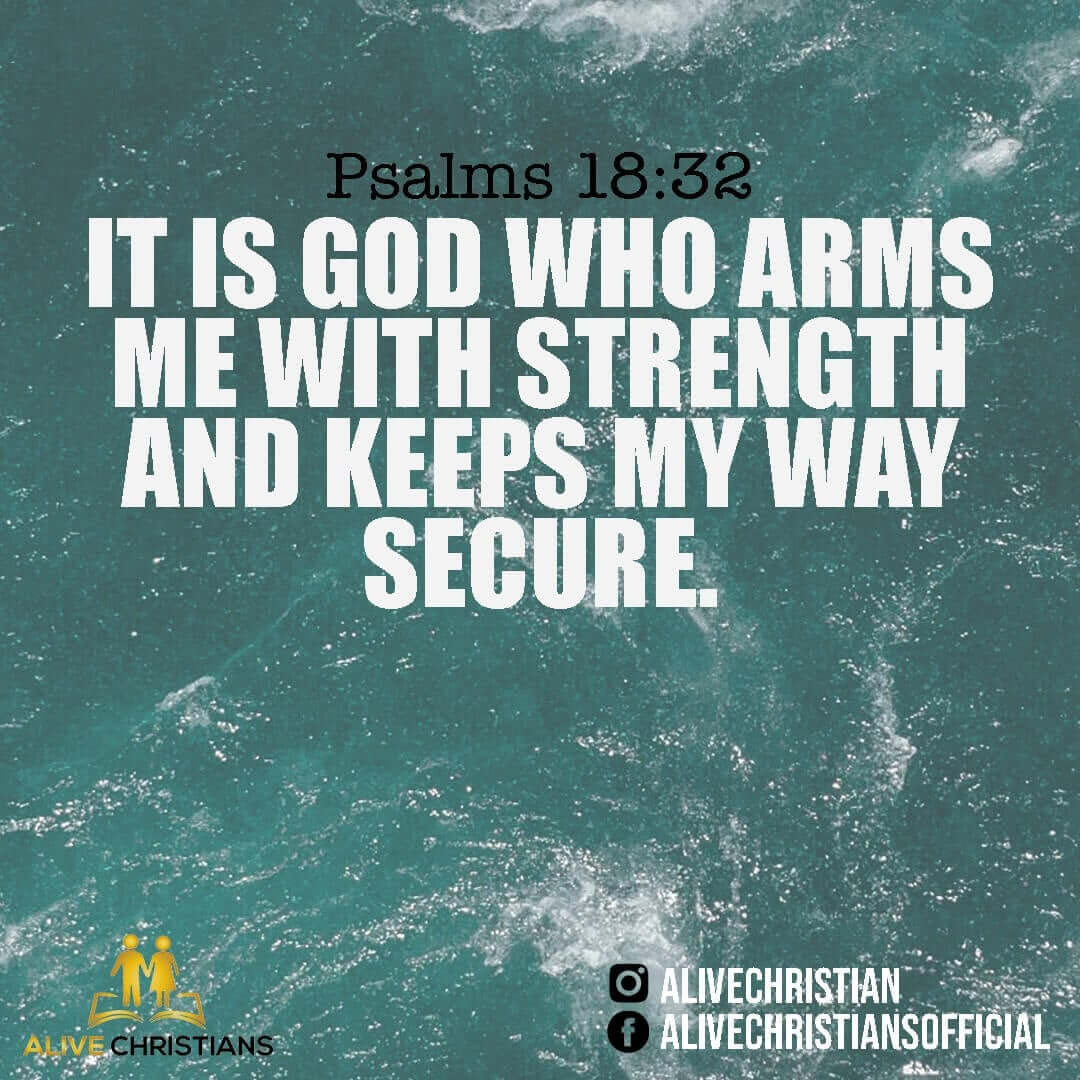
Proverbs 20:29

Men Must Stand Up And Be Strong Physically, Mentally and Spiritually.
The aforementioned excerpt from Proverbs above shows us that men are to be strong, physically and mentally and spiritually, because physical strength brings about that power in the physical body, but strength in the mind, in thinking, brings about wisdom.
- Seeking after the things of God requires strength.
- Doing things God's way, even when society and culture says that you're supposed to do it a certain way, requires strength.
- Obeying the Word of God requires strength
 What we need men to be, and what they ought to be according to Scripture is strong, physically, mentally, and spiritually.
And so when it comes to the understanding of men being men in and outside of the Church, it comes down to strength, strength that God has given in the body, and honing that and the strength that God gives in the mind, using our intellect to do the will of God as His Spirit quickens us and leads us into all truth.
Godly male friendships, in this regard, are very important as they help to strengthen men in The Truth of God's Word with regards to identity and God-given function.
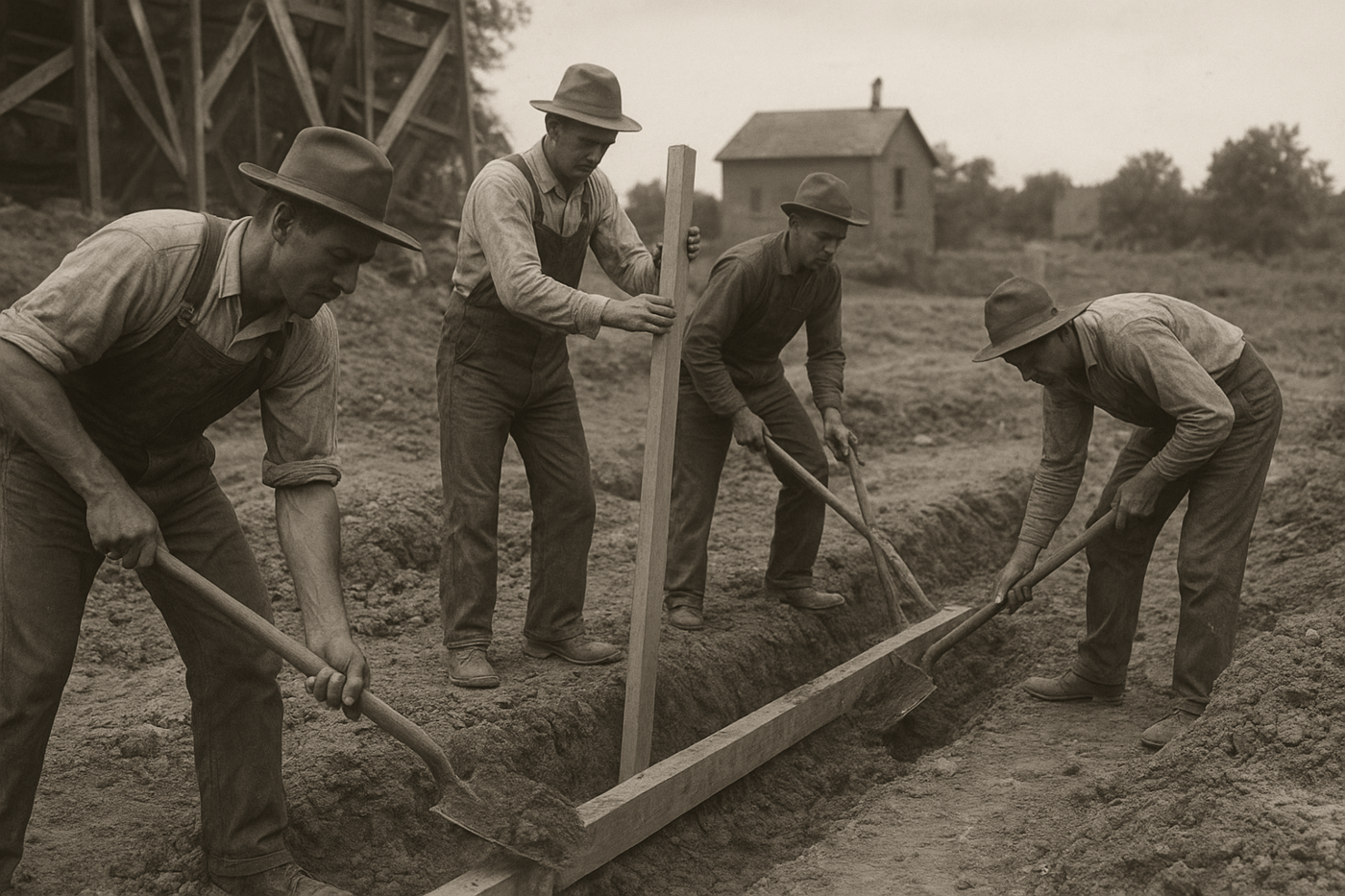
Church Fathers On Manliness:
| Church Father (Institution & Work) | View on Manliness | Scriptural Reference(s) |
|---|---|---|
| 1. Clement of Alexandria - Catechetical School of Alexandria; Paedagogus, Stromata | Clement taught that true manliness is moral mastery: self-control, purity, and courage in obeying God. He rejected pagan bravado and defined Christian virility as strength over one's passions. For Clement, manliness is the calm power of a disciplined soul. | 1 Cor 16:13; Titus 2:6 |
| 2. Tertullian - Carthage; Apologeticus, De Patientia | Tertullian argued that manliness is seen in patient endurance, not in violent displays. He condemned worldly notions of masculinity and exalted steadfastness under persecution. To him, the manliest act is loyalty to Christ at all costs. | 2 Tim 2:3; James 1:12 |
| 3. Origen - Alexandria; Exhortation to Martyrdom, On First Principles | Origen taught that spiritual manliness is courage of the soul, strengthened through prayer and purity. He believed the Christian displays andreia (manly courage) chiefly in resisting sin and standing firm under trial. Manliness is rooted in the inner victory of the Spirit. | Eph 6:10–13; Romans 8:13 |
| 4. Cyprian of Carthage - Treatises, Letters | Cyprian described Christian manliness as fortitude in faith during persecution and hardship. He insisted that the believer proves his virility by clinging to Christ when threatened with loss or death. True manliness is courage formed by the Holy Spirit. | Matthew 10:28; Rev 2:10 |
| 5. Athanasius - Alexandria; Life of Antony; Against the Arians | Athanasius presented Antony as the model of Christian manliness-strong in prayer, pure in body, and unshaken by demonic assault. He argued that real strength is spiritual resilience empowered by God. To Athanasius, manliness is battle-readiness against evil. | Joshua 1:9; Psalm 27:1 |
| 6. Basil the Great - Caesarea; Homilies, Longer Rules | Basil taught that manliness is formed through discipline, fasting, and mastery over the passions. He urged men to cultivate firm resolve in righteousness and unyielding courage in times of trial. The manly soul is one anchored in virtue and obedience. | 1 Cor 9:25–27; 1 Tim 6:12 |
| 7. Gregory of Nyssa - Cappadocian School; On the Christian Profession | Gregory taught that true virility is the soul’s ascent toward God through purity and steadfastness. He rejected worldly strength and defined manliness as firm persistence in virtue. The measure of a man is his conformity to Christ’s holiness. | Phil 3:12–14; 1 John 2:14 |
| 8. Gregory Nazianzen - Constantinople; Orations | Gregory exhorted Christians to display manliness by standing boldly for truth even when society opposed them. He taught that courage of speech and purity of life are the heart of Christian virility. Manliness is the moral strength to defend righteousness. | Eph 6:19; Prov 28:1 |
| 9. John Chrysostom - Constantinople; Homilies on Acts, Homilies on Matthew | Chrysostom defined manliness as courage in virtue and the rejection of cowardice in spiritual matters. He taught that controlling one’s desires is greater manliness than physical strength. The Christian man is “a lion in righteousness” but meek in temperament. | Gal 5:22–23; Psalm 112:7 |
| 10. Augustine of Hippo - Hippo; City of God, Sermons | Augustine saw true manliness as inner strength formed by grace, enabling the believer to resist evil and pursue holiness. He taught that the world’s version of masculinity is shallow, but Christlike courage transforms the soul. Manliness is bravery grounded in love for God. | 1 Cor 16:13–14; Rom 8:37 |
| 11. Jerome - Bethlehem; Letters, Commentaries | Jerome taught that manliness is displayed in chastity, discipline, and mastery over emotions. He praised monks as “athletes of Christ” whose spiritual strength surpassed worldly warriors. To Jerome, real virility starts in the heart before it appears in deeds. | 2 Tim 2:3–5; Psalm 119:9 |
| 12. Cyril of Jerusalem - Catechetical Lectures | Cyril described manliness as steadfast faith in temptation and perseverance in spiritual training. He taught that baptism equips men with divine strength for life's battles. Manliness is the courage to live out the truth boldly. | Heb 12:1–2; Eph 6:10 |
| 13. Ignatius of Antioch - Antioch; Epistles | Ignatius urged believers to be “manly in Christ,” standing firm in persecution through love and unity. He believed true masculine strength is obedience to God unto death. Courage and faithfulness are the marks of one who belongs to Christ. | 1 John 5:4; Rev 2:10 |
| 14. Polycarp of Smyrna - Smyrna; Epistle to the Philippians, Martyrdom of Polycarp | Polycarp exemplified manliness through courage in martyrdom and steadfast love for Christ. He taught believers to remain unmovable in faith even under threat. Manliness is endurance that flows from hope in God. | Psalm 31:24; 1 Cor 15:58 |
| 15. Eusebius of Caesarea - Caesarea; Ecclesiastical History | Eusebius highlighted the martyrs as models of Christian manliness-fearless, steady, and faithful unto death. He argued that divine strength empowered them to endure sufferings no worldly courage could match. Manliness is evidenced in unwavering loyalty to Christ. | Luke 12:4–5; Hebrews 10:36 |
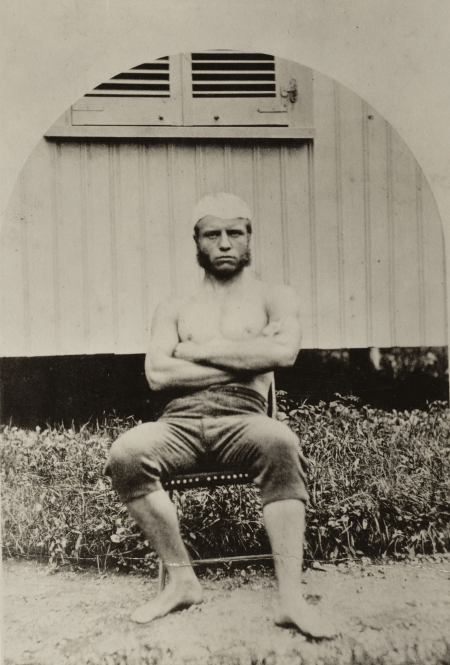
“I wish to preach, not the doctrine of ignoble ease, but the doctrine of the strenuous life, the life of toil and effort, of labor and strife; to preach it not as the doctrine of a few, but as the doctrine of all who are to be free, and of men who are to hold together as comrades in honor and loyalty.”
- Theodore Roosevelt, The Strenuous Life, 1899
This is what men are supposed to be. And in today's age of effeminacy and metrosexuality, men need to stand up and be the men of God, that He has called us to be - physically, mentally, and spiritually strong by the power of the Holy Spirit in Jesus' Name; following the example of the perfect man Christ Jesus who laid down His life so that we can live through Him.
It is our prayer for all men that the Lord lifts you up as you surrender your all to Him, living and serving as He served in Jesus' Mighty Name.