
Table of Contents
- Men, Let's Play The Men For Our People
- A. Primary Church Fathers Sources (Strength, Masculinity, Endurance)
- B. Biblical Scholarship on Responsibility, Leadership, and Duty of Men
- C. Pastoral Theology & Christian Men’s Formation (Support, Duty, Encouragement)
- D. Psychology of Men, Support Systems, and Emotional Well-Being
- E. Masculinity, Responsibility, & Social Support Structures
Today, we've provided some of the most inspirational quotes for a man that we have. Here you'll learn what a man does, and his God-given responsibilities as the head of his wife, overseers in the Church and as the foundation of society according to 1 Cor 14, 1 Timothy 3, and Isaiah 3 respectively. Enjoy.
Quote: In the face of increasing and mounting odds a man is to fight for his wife and children in Jesus' Name. Our family, society, Church and Almighty God are depending on us to embrace our God-given masculinity and do what needs to be done for our people.

Quote: A man was born to develop his strength and wisdom so he can build and protect what God has entrusted to him.

Quote: As the foundation of society, a man should always be the proponent of that which is right and true.
Men are to be pastors in the House of God, the pillar and ground of the truth, and lead in their homes as the head of their wife, teaching and building her up in the Lord, training his children according to righteousness.

Quote: For a man, each day is a fight against the evils in the world so every day as a man you are to rise to the occasion to push back the evil in Jesus' Name.

Quote: For your Masculinity to be seen and understood you have to take courage! Without courage the man in you remains a boy.

Quote: Every man must uphold righteous standards, for in hard times when your fortitude is tested, doing the right thing over the convenient thing will be an extension of God's grace and mercy to our societies and the world.
| Area of Support | View (Biblical, Psychological and Practical Insight) |
|---|---|
| 1. Spiritual Support | Men need Scripture, prayer, and godly mentorship to stay strong (Ps. 1:1–3). Spiritual grounding protects them from temptation, confusion, and discouragement. |
| 2. Emotional Encouragement | Men often carry silent burdens and benefit from affirmation, respect, and emotional understanding. Encouragement strengthens resilience and confidence. |
| 3. Brotherhood & Male Community | Proverbs 27:17 teaches that “iron sharpens iron.” Men grow through brotherhood, accountability, and masculine friendship. |
| 4. Respect From Loved Ones | Ephesians 5 highlights respect as a core need of men. Respect reinforces identity, motivation, and purpose. |
| 5. Practical Help in Responsibilities | Men bear heavy duties-work, leadership, protection. Support through partnership, shared tasks, and understanding lightens the load. |
| 6. Support in Work & Calling | Men thrive when their gifts and mission are affirmed. Belief in their competence increases focus and perseverance. |
| 7. Support in Decision-Making | Wise counsel strengthens a man’s leadership (Prov. 11:14). Guidance helps men avoid isolation and poor choices. |
| 8. Health & Physical Support | Men need encouragement in exercise, rest, and healthy habits. Strong bodies support strong minds and stable emotions. |
| 9. Support in Stress & Pressure | Men often carry hidden stress. Calm presence, listening, and shared problem-solving reduce mental load. |
| 10. Support in Spiritual Warfare | Men face temptations and battles that threaten strength. Prayer, accountability, and biblical truth fortify them against attack. |
| 11. Support Through Affirmation of Identity | Men need to hear they are valued, needed, and capable. Identity affirmation builds masculine confidence and emotional health. |
| 12. Support in Fatherhood | Fathers need encouragement and guidance to lead, teach, and model righteousness. Support strengthens multi-generational impact. |
| 13. Support Through Respectful Communication | Clear, respectful communication helps men open up. Men respond well to direct, calm, solution-oriented dialogue. |
| 14. Support in Moments of Failure | Men need grace when they stumble, not condemnation. Restoration and forgiveness rebuild strength and courage. |
| 15. Support in Personal Growth | Men flourish when others believe in their potential. Support encourages spiritual maturity, strength habits, and disciplined living. |
Men, Let's Play The Men For Our People
1 Corinthians 16:13-14
Be watchful, stand firm in the faith, act like men, be strong. Let all that you do be done in love.
Genesis 1:27
So God created man in his own image, in the image of God he created him; male and female he created them.
John 15:13
Greater love has no one than this, than to lay down one's life for his friends.
Leviticus 18:22
You shall not lie with a male as with a woman. It is an abomination.
Titus 2:6-8
Likewise, exhort the young men to be sober-minded, in all things showing yourself to be a pattern of good works; in doctrine showing integrity, reverence, incorruptibility, sound speech that cannot be condemned, that one who is an opponent may be ashamed, having nothing evil to say of you.
| Biblical Responsibility | Insight |
|---|---|
| 1. Spiritual Leadership | Men are commanded to lead their homes toward God (Eph. 5:23). This includes teaching Scripture, setting spiritual direction, and modeling holiness. |
| 2. Provision for the Household | Scripture calls men to provide materially and protectively (1 Tim. 5:8). Provision includes work, planning, and ensuring the family’s well-being. |
| 3. Protection of Family & Community | Men defend their households physically, spiritually, and morally (Neh. 4:14). Biblical masculinity includes guarding against danger and deception. |
| 4. Self-Control & Discipline | Titus 2:2 commands older men to be sober-minded, dignified, and self-controlled. A man’s responsibility includes mastering his impulses and passions. |
| 5. Sacrificial Love | Husbands are commanded to love as Christ loved-sacrificially and selflessly (Eph. 5:25). This means bearing burdens and placing family needs above personal comfort. |
| 6. Teaching & Modeling God’s Word | Men must instruct children in Scripture (Deut. 6:6–7). The responsibility includes consistency, example, and accountability. |
| 7. Moral Integrity | Men are called to walk blamelessly (Ps. 15:2). Integrity protects a man’s influence, authority, and legacy. |
| 8. Courage & Steadfastness | God commands men to be strong and courageous (Josh. 1:9). Biblical courage means standing in truth even when others fall away. |
| 9. Stewardship of Gifts & Work | Men are responsible for cultivating skills, talents, and opportunities (Matt. 25:14–30). Productivity honors God and serves others. |
| 10. Governing the Home | Scripture gives men authority to guide the household in order, peace, and righteousness (1 Tim. 3:4–5). Leadership requires wisdom and consistent example. |
| 11. Accountability to God | Men will answer to God for how they led, taught, and protected their families (Rom. 14:12). Responsibility starts with reverence. |
| 12. Leading in Repentance & Forgiveness | A man sets the spiritual tone by practicing humility, confession, and reconciliation. His example shapes the entire home. |
| 13. Pursuit of Wisdom | Proverbs repeatedly directs men to seek wisdom above riches or status. Wisdom guides decisions, habits, and long-term direction. |
| 14. Labor & Work Ethic | Men are commanded to work diligently (Prov. 6:6–11). Laziness undermines masculine responsibility, while consistent work honors God. |
| 15. Stability & Emotional Strength | Men are called to be sober-minded and sound in faith (Titus 2:2). Stability makes a man a foundation for those he leads. |
Did you know?
When God wanted to save society he sought for a man (male)?
Read it in Ezekiel 22:30: And I sought for a man among them, that should make up the hedge, and stand in the gap before me for the land, that I should not destroy it: but I found none.
The word for man used there in Ezekiel above is not the general word for mankind, but for a human male. The Hebrew word is: אִישׁ (ish) and it means man (male)
Interesting isn't it? God looks for a man to save a society from destruction.
| Church Father | View on Strength for Men |
|---|---|
| 1. Ignatius of Antioch (1st–2nd c.) | Ignatius taught that a man’s strength is shown in steadfast obedience to Christ, even under persecution. True masculine strength is spiritual loyalty that refuses compromise. |
| 2. Clement of Rome (1st c.) | Clement emphasized endurance, urging men to stand firm in righteousness and good works. He viewed masculine strength as patient perseverance that serves the Church. |
| 3. Polycarp of Smyrna (2nd c.) | Polycarp taught that a strong man stands unmovable in faith despite suffering. His own martyrdom became a model of masculine courage and fidelity. |
| 4. Justin Martyr (2nd c.) | Justin said masculine strength is seen in resisting passions and defending truth. Strength is moral conviction shaped by reason submitted to God. |
| 5. Irenaeus of Lyons (2nd c.) | Irenaeus linked male strength to resisting error and heresy. A strong man guards his soul and his household through truth. |
| 6. Tertullian (2nd–3rd c.) | Tertullian described Christian men as “athletes of Christ,” strengthening themselves through discipline, fasting, and endurance. Strength is demonstrated in moral purity and self-mastery. |
| 7. Clement of Alexandria (2nd–3rd c.) | Clement taught that strength comes from controlling one’s desires and practicing virtue. He viewed disciplined living as the foundation of masculine maturity. |
| 8. Origen (3rd c.) | Origen emphasized inward fortitude-strength of heart and will-over physical might. Men grow strong by conquering inner passions and aligning their souls with Scripture. |
| 9. Cyprian of Carthage (3rd c.) | Cyprian connected strength with courage in persecution. He taught that Christian men must stand strong in prayer, purity, and unity. |
| 10. Athanasius (4th c.) | Athanasius highlighted strength as boldness to defend Christ’s deity against opposition. He held that true male strength is doctrinal courage under pressure. |
| 11. Basil the Great (4th c.) | Basil taught that strong men labor diligently, govern themselves, and protect others through virtue. Strength is disciplined character shaped by the Holy Spirit. |
| 12. Gregory of Nyssa (4th c.) | Gregory taught that strength for men is rooted in purity and mastery over passions. He believed victory over self is greater than victory in battle. |
| 13. Gregory Nazianzen (4th c.) | Gregory saw masculine strength in spiritual leadership, humility, and perseverance through trials. He emphasized resisting societal pressures through holiness. |
| 14. John Chrysostom (4th c.) | Chrysostom taught that a man’s true strength is shown in ruling his passions, loving sacrificially, and leading his home with gentleness and courage. Anger-control was, to him, the highest masculine strength. |
| 15. Ambrose of Milan (4th c.) | Ambrose emphasized strength as virtue shaped by Scripture. He taught men to cultivate moral courage, justice, and purity. |
| 16. Jerome (4th–5th c.) | Jerome stressed ascetic discipline as the foundation of strength. Strong men resist sinful impulses and train their bodies and minds through Scripture. |
| 17. Augustine of Hippo (4th–5th c.) | Augustine taught that strength for men is the perseverance to resist sin and pursue righteousness. True strength is humility, self-control, and courage rooted in God’s grace. |
| 18. John Cassian (4th–5th c.) | Cassian connected strength with stability, patience, and mastery over the flesh. He taught that strong men tame their appetites through disciplined living. |
| 19. Leo the Great (5th c.) | Leo described masculine strength as steadfast faith and protection of the weak. He urged men to stand firm in doctrine and moral purity. |
| 20. Gregory the Great (6th c.) | Gregory taught that strength for men is endurance in service, leadership with humility, and unshakeable perseverance in trials. Strength is proven in constancy. |
Given the statistics surrounding the importance of the man in society, it makes a lot of sense.
Bible Verses About Success (Powerful)
Did you know according to Pew Research
47% of Women say that parenting is tiring, versus 34% of Men?
34% of women say that parenting is stressful versus 24% of men?
Again, this shows the design for men by God in the overseeing role.
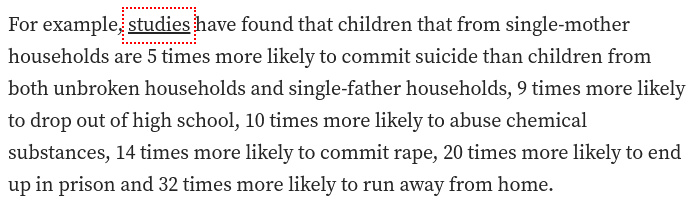
Is this saying that women are horrible parents? Absolutely not! Women are great parents, and especially in households where men are absent, women do a great job doing what they can. But, men have a foundational role in the family, and the woman, a supporting role, and this is evidenced by the statistics from the Pew Research.
So men, we need to be play the men for our people.
References:
A. Primary Church Fathers Sources (Strength, Masculinity, Endurance)
Ignatius of Antioch. Epistle to the Ephesians; Epistle to Polycarp. 1st–2nd c.
Clement of Rome. 1 Clement. c. 96 AD.
Polycarp of Smyrna. Epistle to the Philippians. 2nd c.
Justin Martyr. First Apology; Second Apology. 2nd c.
Irenaeus of Lyons. Against Heresies. c. 180 AD.
Tertullian. On Patience; On the Soldier’s Crown; Apology. 2nd–3rd c.
Clement of Alexandria. Stromata; Paedagogus. 2nd–3rd c.
Origen. On Prayer. 3rd c.
Cyprian of Carthage. The Unity of the Church; Exhortation to Martyrdom. 3rd c.
Athanasius. On the Incarnation; Letters to Serapion. 4th c.
Basil the Great. Longer Rules; Homilies on the Psalms. 4th c.
Gregory of Nyssa. On the Making of Man. 4th c.
Gregory Nazianzen. Orations. 4th c.
John Chrysostom. Homilies on Ephesians; Homilies on Romans; Homilies on Marriage. 4th c.
Ambrose of Milan. On Duties of the Clergy; On the Good of Marriage. 4th c.
Jerome. Letters; Commentary on Ephesians. 4th–5th c.
Augustine of Hippo. On Christian Doctrine; On Patience; Confessions; City of God. 4th–5th c.
John Cassian. Conferences; Institutes. 5th c.
Leo the Great. Sermons; Letters. 5th c.
Gregory the Great. Pastoral Rule. 6th c.
B. Biblical Scholarship on Responsibility, Leadership, and Duty of Men
Keil, C. F., & Delitzsch, F. Commentary on the Old Testament. Hendrickson, 1866–1890.
Calvin, John. Commentaries on the Epistles of Paul. Baker, 1556–1559.
Henry, Matthew. Commentary on the Whole Bible. 1710.
Bruce, F. F. The Epistle to the Galatians; The Epistle to the Hebrews. Eerdmans, 1964–1990.
Waltke, Bruce. The Book of Proverbs: Chapters 1–31. Eerdmans, 2004.
Kidner, Derek. Proverbs. Tyndale Old Testament Commentaries, 1964.
Tremper Longman III. Proverbs. Baker Academic, 2006.
Gordon D. Fee. Paul’s Letters to the Corinthians. Eerdmans, 1987.
Leon Morris. The Gospel According to Matthew; The Epistle to the Romans. Eerdmans, 1992.
John Stott. The Message of Ephesians. InterVarsity Press, 1979.
Douglas Moo. Romans. NICNT, Eerdmans, 1996.
Craig Blomberg. 1 Corinthians. NIV Application Commentary, 1995.
C. Pastoral Theology & Christian Men’s Formation (Support, Duty, Encouragement)
Dietrich Bonhoeffer. Life Together; The Cost of Discipleship. SCM Press, 1937–1954.
A. W. Tozer. The Pursuit of God. Christian Publications, 1948.
Andrew Murray. Abide in Christ; Humility. 1880–1895.
Dallas Willard. The Spirit of the Disciplines. HarperOne, 1988.
Richard Foster. Celebration of Discipline. Harper & Row, 1978.
J. I. Packer. Knowing God. InterVarsity Press, 1973.
John Piper. Desiring God; Brothers, We Are Not Professionals. Crossway, 1986–2002.
Timothy Keller. Every Good Endeavor; The Meaning of Marriage. Dutton, 2011–2012.
Jay Adams. Christian Living in the Home. Presbyterian & Reformed, 1972.
D. Psychology of Men, Support Systems, and Emotional Well-Being
John Gottman. The Seven Principles for Making Marriage Work. Harmony Books, 2015.
Albert Bandura. Self-Efficacy: The Exercise of Control. Freeman, 1997.
Roy Baumeister. “Self-Regulation and Willpower.” Psychological Review, 1994.
Martin Seligman. Learned Optimism. Knopf, 1991.
Jordan Peterson. 12 Rules for Life. Random House, 2018.
Deborah Tannen. You Just Don’t Understand. Ballantine Books, 1990 (communication & support).
E. Masculinity, Responsibility, & Social Support Structures
W. Bradford Wilcox. Soft Patriarchs, New Men. University of Chicago Press, 2004.
David Popenoe. Life Without Father. Harvard University Press, 1996.
David Geary. Male, Female: The Evolution of Human Sex Differences. APA Press, 1998.
John & Leda Tooby Cosmides. The Adapted Mind. Oxford University Press, 1992.
Richard Wrangham & Dale Peterson. Demonic Males. Houghton Mifflin, 1996 (male cooperation & resilience).